

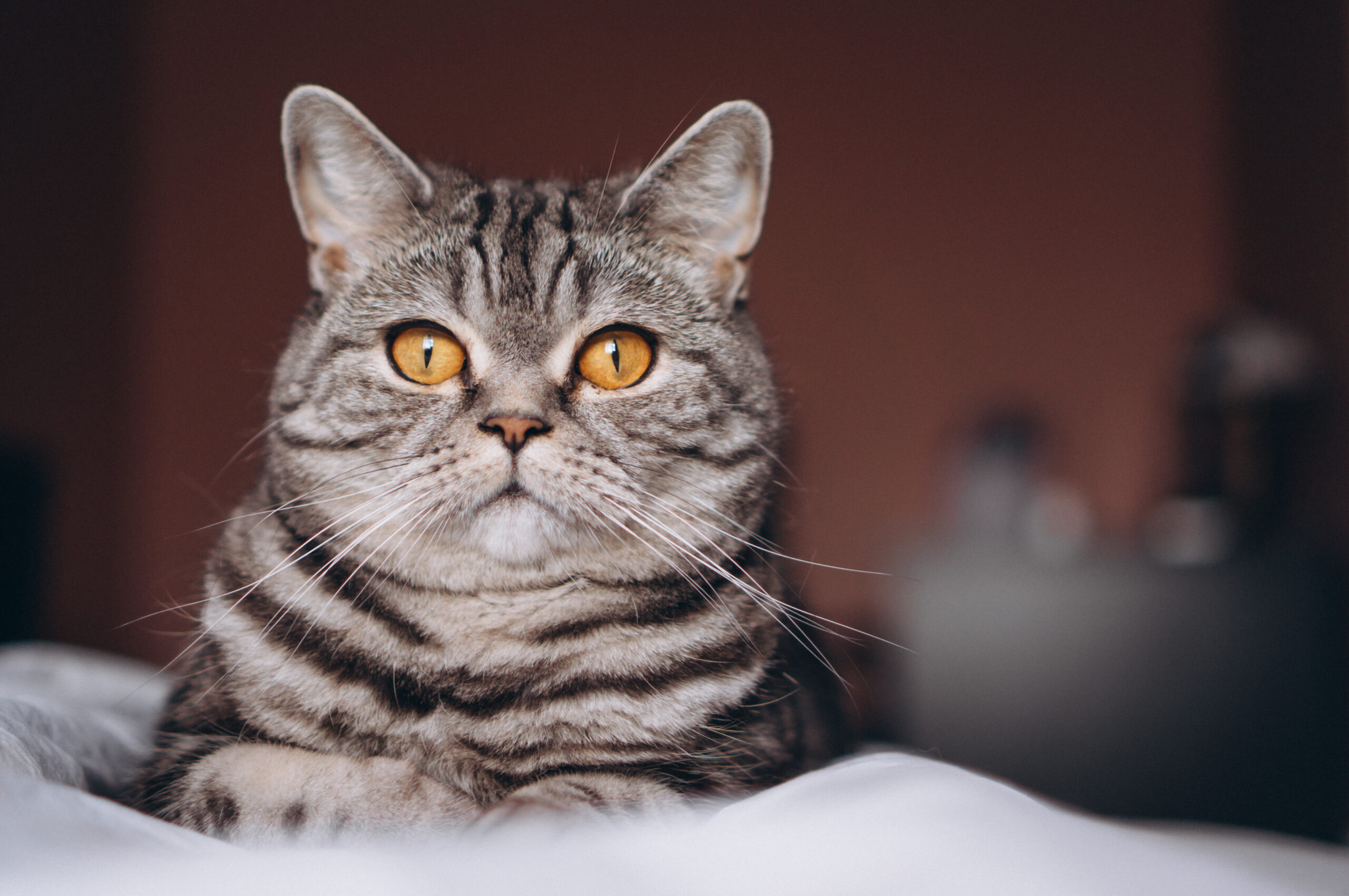

Street Smart vs. Sofa Spoiled: Comparing the Lives of Community Cats and House Cats
Published for International Cat Day
If you’ve ever watched your house cat sprint from room to room chasing a laser pointer, then flop dramatically onto the nearest sunbeam for a four-hour nap, you know cats can be delightfully ridiculous creatures of comfort. But not every cat gets to live that life. Just outside — in alleyways, parking lots, and backyards — a whole other population of cats is surviving on instinct, wit, and whatever the world hands them.
This International Cat Day, we’re taking a closer look at two very different feline lifestyles: the street-smart community cat and the sofa-spoiled house cat. Comparing the two isn’t about deciding which cat has it “better” — it’s about understanding how environment shapes behavior, and what we can learn from cats who never had the luxury of a scratching post.
Who Are Community Cats, Exactly?
“Community cats” is an umbrella term for cats living outdoors without a single owner. This includes:
- Feral cats — born outdoors, with little to no human socialization
- Stray cats — former pets who were lost or abandoned, and may still be people-friendly
- Semi-owned cats — cats informally fed or cared for by neighbors without a formal home
These cats often live in colonies, loosely organized groups that share territory and sometimes even help raise each other’s kittens. It’s a far cry from the solo nap schedule of a house cat.
Behavior Shaped by Survival
House cats have the luxury of behaving on their own terms. Community cats don’t have that option — every behavior serves a purpose tied to survival.
Socialization
A house cat greets you at the door because it’s learned that humans mean food, affection, and safety. A feral cat, by contrast, may have had zero positive human contact and treats people as a potential threat. This isn’t stubbornness or “bad temperament” — it’s an adaptive response shaped entirely by early experience.
Communication
Indoor cats often develop an expanded vocabulary of meows specifically to communicate with humans — cats rarely meow at each other in the wild. Community cats rely far more on body language, scent marking, and silence, since vocalizing can attract predators or rivals.
Territory and Resources
A house cat’s biggest territorial dispute might be over who gets the windowsill. Community cats actively defend access to food sources, shelter, and safe sleeping spots, often within a structured colony hierarchy.
Hunting and Independence
Even the most pampered indoor cat retains hunting instincts (hence the “gift” of a dead bug on your pillow), but community cats depend on those instincts daily for actual survival — hunting, scavenging, and problem-solving their way through an unpredictable environment.
Health and Lifespan: The Harder Truth
This is where the differences become most stark. House cats, with regular veterinary care, consistent nutrition, and a controlled environment, typically live 12 to 18 years, sometimes longer.
Community cats face a much tougher reality. Exposure to weather, traffic, disease, and predators significantly shortens their average lifespan, and without intervention, unaltered cats can reproduce rapidly — leading to overcrowded colonies with limited resources. This is precisely why Trap-Neuter-Return (TNR) programs matter so much: they stabilize colony populations, reduce disease spread, and improve quality of life for cats who will likely never know a warm lap or a food bowl on a schedule.
What House Cat Owners Can Learn From Street Cats
Spending time understanding community cats can actually make you a more attentive house cat owner:
- Respect independence. Even affectionate house cats retain wild instincts — respecting their need for autonomy (a hiding spot, alone time) mirrors natural feline behavior.
- Watch the body language, not just the meow. Community cats communicate almost entirely through subtle physical cues. Learning to read tail position, ear posture, and eye contact can deepen your bond with an indoor cat too.
- Environmental enrichment matters. Community cats problem-solve constantly just to survive. House cats, with none of those challenges, can become bored or anxious without enrichment — puzzle feeders, climbing spaces, and play sessions aren’t optional extras; they’re a way of honoring instincts that never fully go away.
A Shared Species, Two Very Different Worlds
At the end of the day, the sofa-spoiled cat curled up on your lap and the street-smart cat navigating an alley are the same species, carrying the same instincts — just shaped by radically different circumstances. One had the good fortune of a warm home; the other is getting by on resilience alone.
This International Cat Day, consider extending a little of that sofa-spoiled comfort to a cat who hasn’t found it yet — whether that means supporting a local TNR program, volunteering with a community cat colony, or simply learning more about the feral and stray cats living in your own neighborhood. ²²²²²²²²²²² (leaving this here from my cat Zoom, just because!)
